The Case for Organic Mulch on the Eastern Shore
Maryland's Eastern Shore has a specific combination of climate factors that makes organic mulch the better choice for most residential planting beds: hot, humid summers, winter freeze-thaw cycles, and the sandy or loamy soils common to Talbot and Queen Anne's Counties.
What Organic Mulch Does Well Here
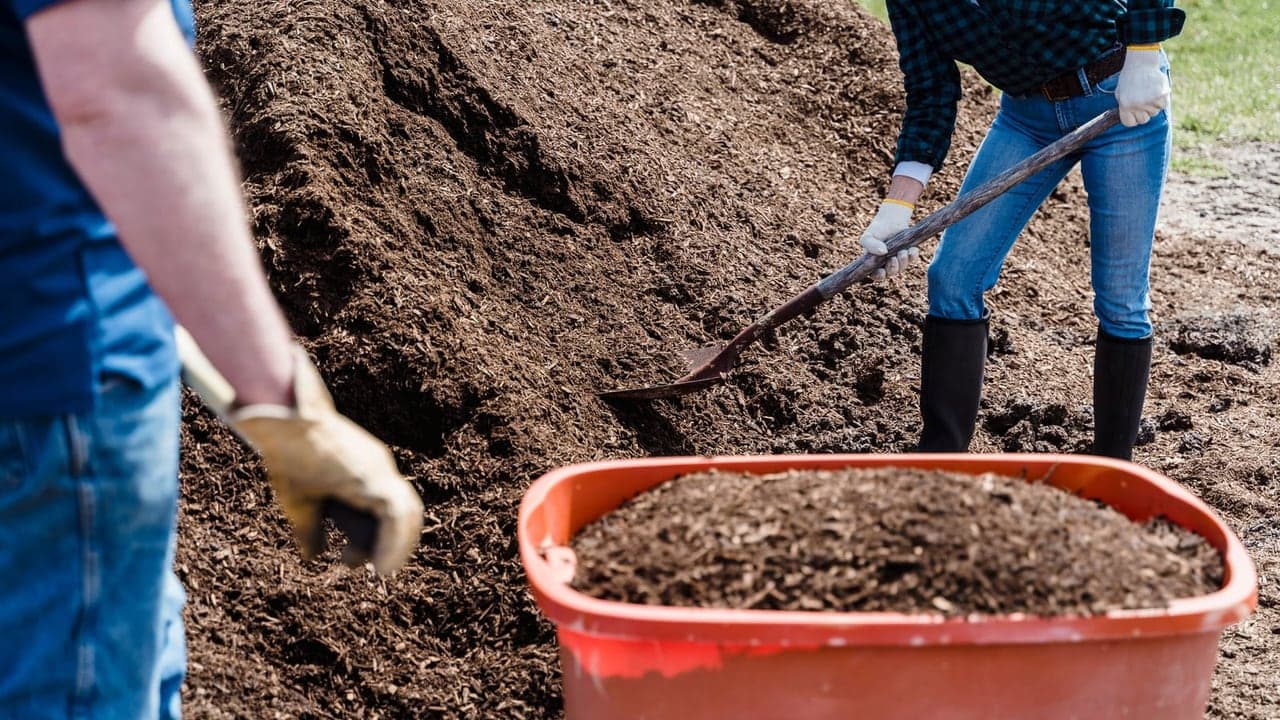
Hardwood and pine bark mulch moderates soil temperature — insulating roots in the cold and reducing soil temperature spikes in summer heat. As it decomposes, it adds organic matter and improves soil structure over time. For the plants most common on Eastern Shore properties — azaleas, ornamental trees, perennials, native shrubs — a 2–3 inch mulch layer is the closest thing to a natural forest floor.
The Maintenance Reality
Organic mulch does decompose and needs to be refreshed every 1–2 years. An annual mulch application (typically $150–$400 for a standard residential property) keeps beds looking clean and performing correctly.
When Landscape Rock Makes Sense
Rock — river stone, pea gravel, crushed stone — is a legitimate choice for a few specific applications. Low-maintenance xeriscaping where you don't want to replant. Drainage swales and rain gardens. Areas with heavy foot traffic where mulch would scatter. Decorative accents around hardscape.
The Problems with Rock in Most Eastern Shore Beds
Rock stores heat, raising soil temperatures in summer — the opposite of what most ornamental plants want. It doesn't improve soil over time. Weeds eventually grow through it anyway. And removing rock if you decide to change the planting is a significant labor project.
Our Recommendation
For almost all planting beds around homes and commercial properties on the Eastern Shore, premium hardwood mulch installed at 2.5–3 inches is the right call. Call Bayside Tree and Landscape at 443-988-5225 for a free mulch installation estimate.