Pruning Season on the Eastern Shore
The short answer: for most deciduous trees on Maryland's Eastern Shore, late winter — February through early March, while trees are fully dormant — is the best time to prune. Here's why, and where the exceptions are.
Why Late Winter Works Best
Dormant pruning has three major advantages. First, without leaves you can see the branch structure clearly and make better cuts. Second, pruning during dormancy minimizes stress — the tree isn't actively moving nutrients and the wounds callus quickly once growth resumes in spring. Third, most fungal pathogens and insect vectors that infect fresh pruning wounds are dormant too.
Eastern Shore Species-Specific Timing
Oaks: Prune Only in Dormancy
Oak wilt is real and present in Maryland. Avoid any pruning cuts on oaks from April through October when beetle vectors are active. Late January through early March only.
Flowering Trees (Dogwood, Cherry, Redbud)
Prune immediately after flowering — not in late winter. Pruning in dormancy removes next year's flower buds.
Evergreens
Most conifers are best pruned in late spring as new growth hardens off. Avoid heavy pruning in summer heat.
Storm Damage
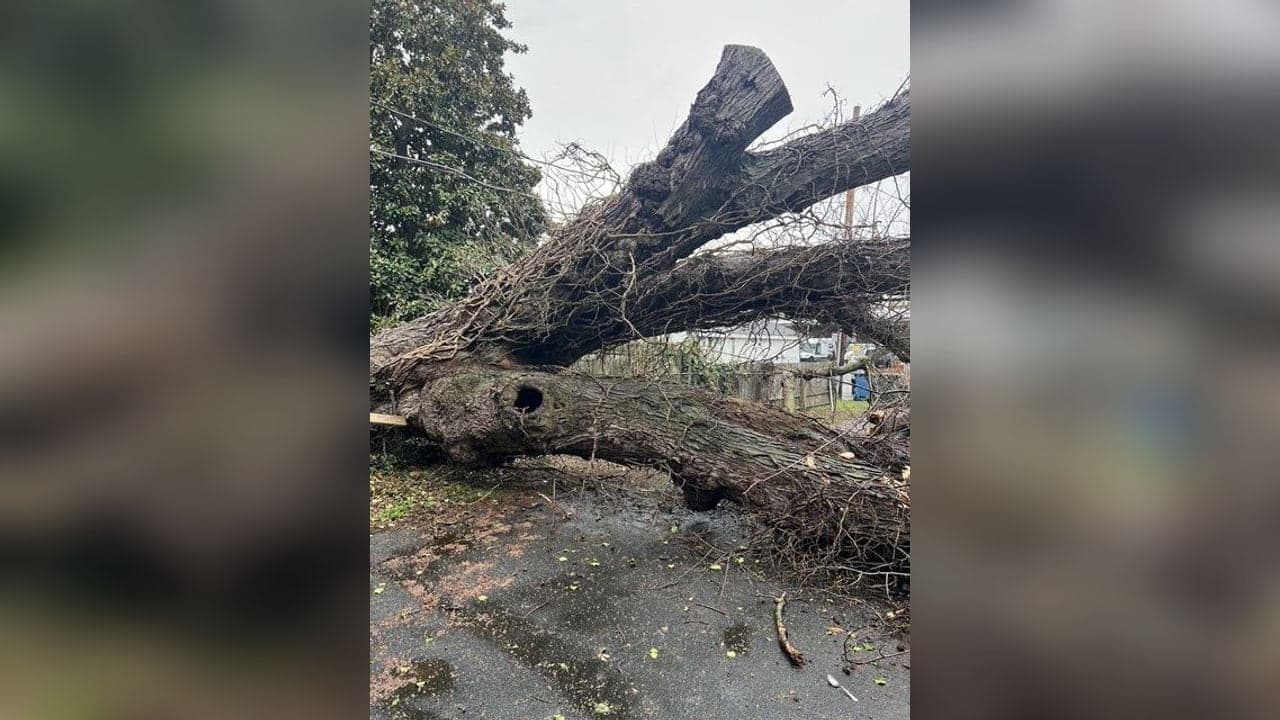
Emergency pruning — removing hazardous broken or hanging limbs — is done immediately regardless of season. A dangerous hanging branch doesn't wait for February.
What "Proper Pruning" Actually Means
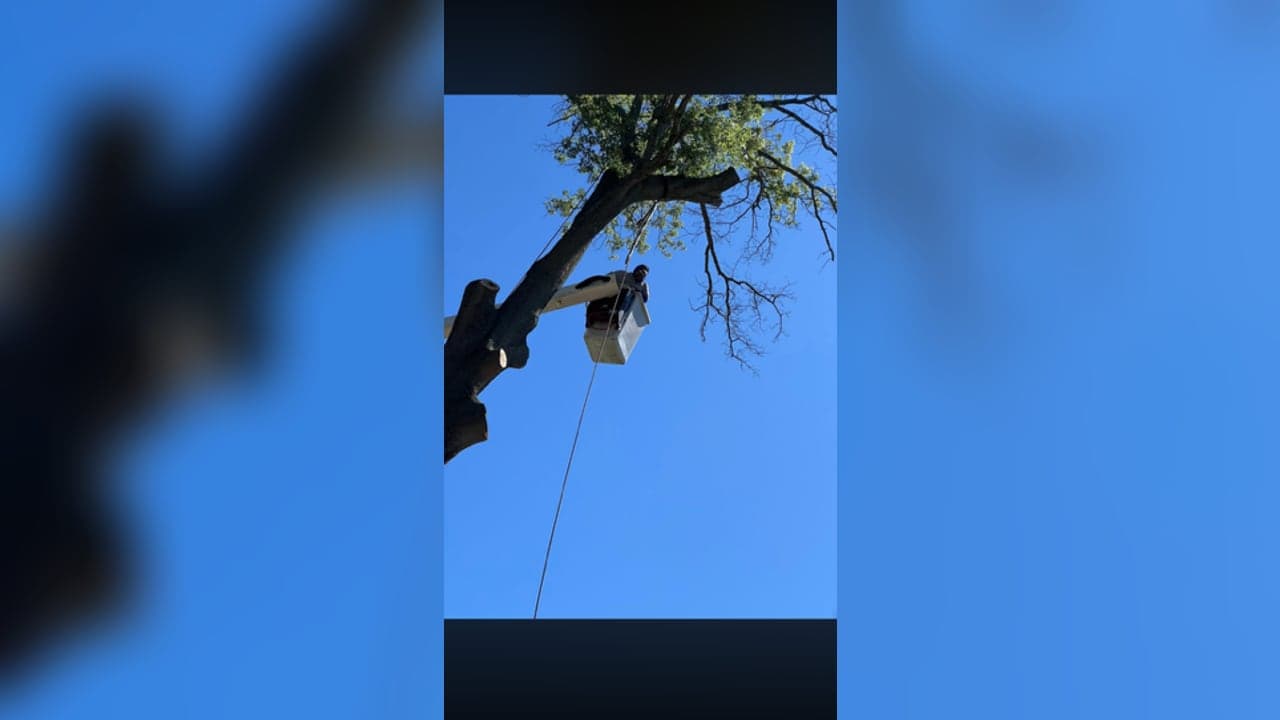
The most common mistake homeowners see when they hire a cheap tree service is topping — cutting the main stem or major limbs back to stubs. Topping is not pruning. It destroys the tree's structure, creates decay entry points, and generates weak epicormic growth that fails in storms. Bayside Tree and Landscape follows ISA (International Society of Arboriculture) pruning standards on every job. Call us at 443-988-5225 if you'd like a free pruning assessment.